सत्यं ज्ञानमनन्तं ब्रह्म

Gyāna Bhāratam

The Swami Vivekananda International Centre of Excellence for Manuscriptology and Indic Knowledge Systems (CU-GBSVICEMIKS)
at the University of Calcutta a modern sanctuary where forty-two thousand manuscripts breathe again.

42,000+

Manuscripts in custodianship

170

Years of University of Calcutta (1857–2027)

2047

Horizon for the Digital Knowledge Commons

A contextual foundation.

Dr. Shyama Prasad Mukherjee (1901–2026) ; Former Vice-Chancellor University of Calcutta (1934–1938)

Built upon a distinguished intellectual tradition.

Established within the historic University of Calcutta one of Asia’s foremost centres of higher learning and a pioneering institution in modern Indological studies the Centre inherits a lineage that has, for over a century and a half, shaped the global study of Sanskrit, Indian philosophy, literature, history, linguistics, and culture.

A historic convergence in the life of India.

The academic year 2026–27 marks the 170th anniversary of the University of Calcutta (1857–2027) and the 125th Birth Anniversary of Dr. Shyama Prasad Mukherjee (1901–2026), the University’s youngest Vice-Chancellor (1934–1938).

His visionary statesmanship emphasised the synthesis of India’s cultural heritage with modern education, scientific inquiry, and intellectual self-confidence transforming manuscript preservation from an archival task into a national mission for civilisational renewal.

Forty-two thousand manuscripts.

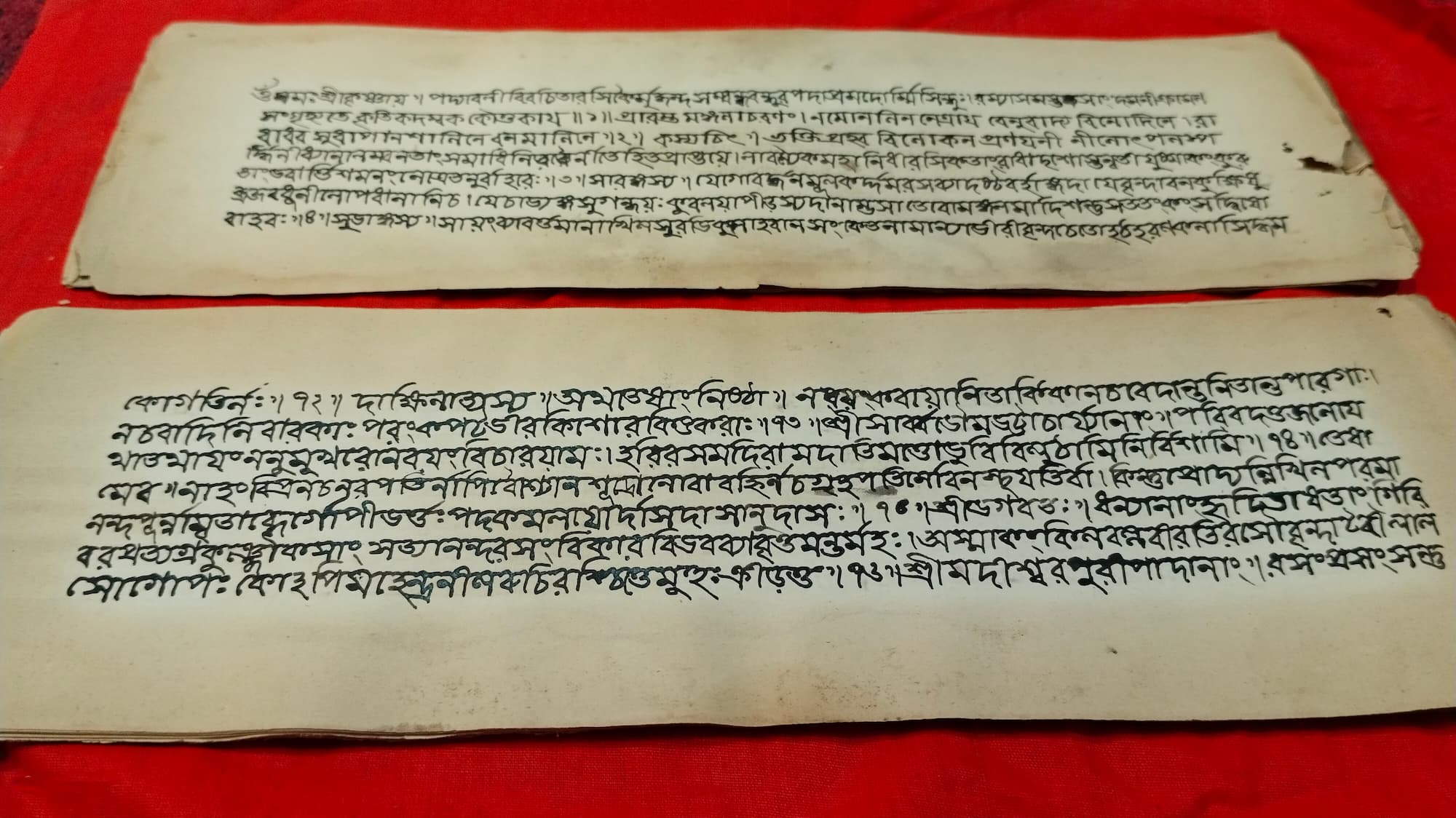
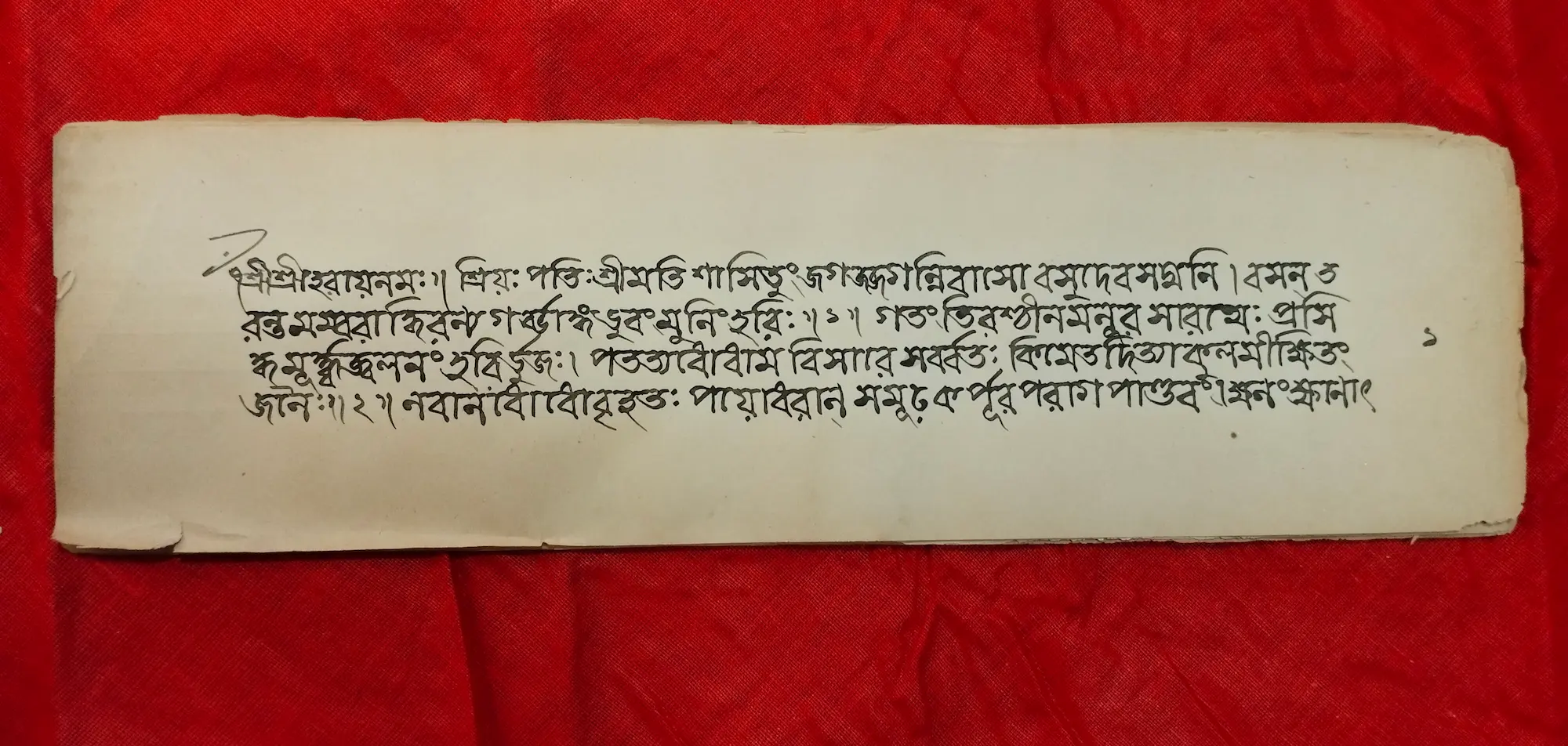
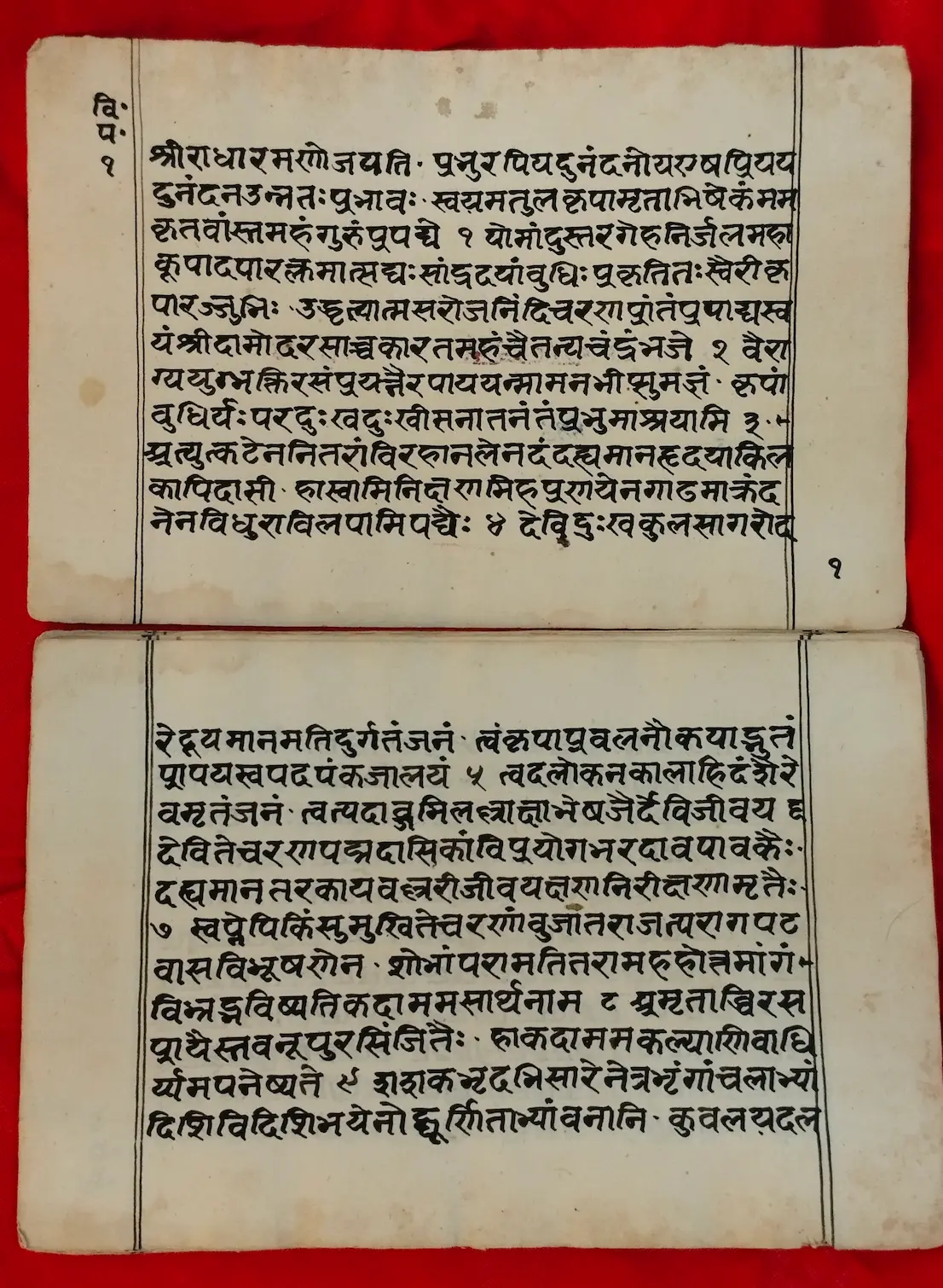
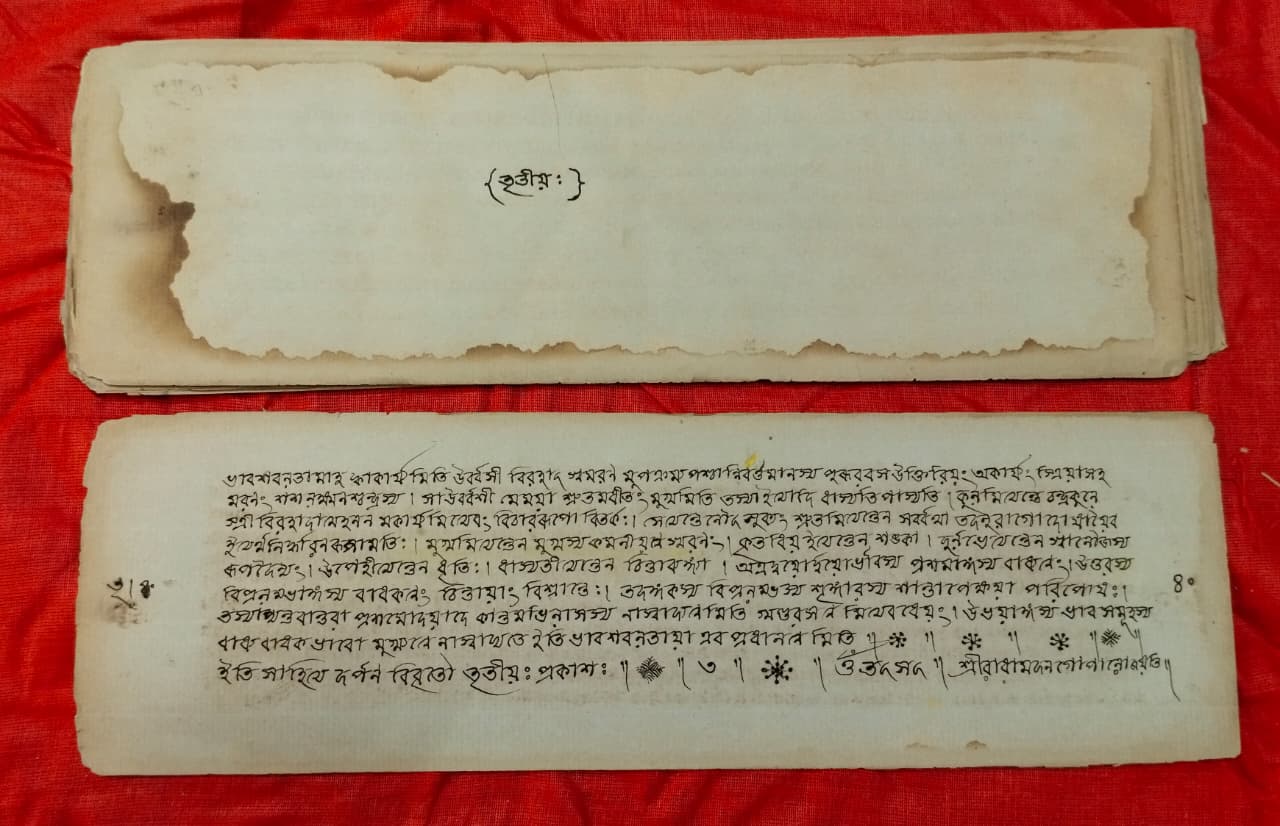
At the heart of this initiative lies the University of Calcutta’s extraordinary collection of more than 42,000 manuscripts preserved in Sanskrit, Bengali, Pali, Prakrit, Persian, and other languages centuries of accumulated human genius across philosophy, science, medicine, mathematics, astronomy, governance, aesthetics, ecology, law, and social thought.

Vision

To establish a world-leading, UNESCO-standard institution where manuscript heritage is preserved, interpreted, and revitalised as a living source of knowledge for humanity where ancient wisdom and contemporary innovation converge.

Mission

To transform endangered documentary heritage into dynamic instruments of research, education, and public policy bridging traditional scholarship with digital technologies to democratise access to Indic knowledge systems.

Seven core transformations.

Aligned with UNESCO’s programmes on documentary heritage (Memory of the World), cultural diversity, and traditional knowledge preservation.

01

Global Custodianship of Documentary Heritage

Surveying and indexing scattered repositories across Eastern and Northeastern India.

02

Civilisational Studies & Intercultural Dialogue

A premier platform for advanced research on Indic knowledge traditions and their historical interactions with other world civilisations.

03

Pioneering Digital Humanities

Integrating traditional philology with Artificial Intelligence, computational linguistics, semantic-web technologies, and advanced archival science.

04

A Living Laboratory for Sustainable Development

Applying manuscript insights to modern global challenges environmental ecology, holistic healthcare, ethical governance, and social resilience.

05

International Capacity-Building & Training

A global destination for scholars, conservators, archivists, and heritage professionals through fellowships and certifications.

06

Cultural Diplomacy & Knowledge Networks

Catalysing cross-border collaboration among universities, museums, libraries, and multilateral organisations.

07

Knowledge Democracy & Public Humanities
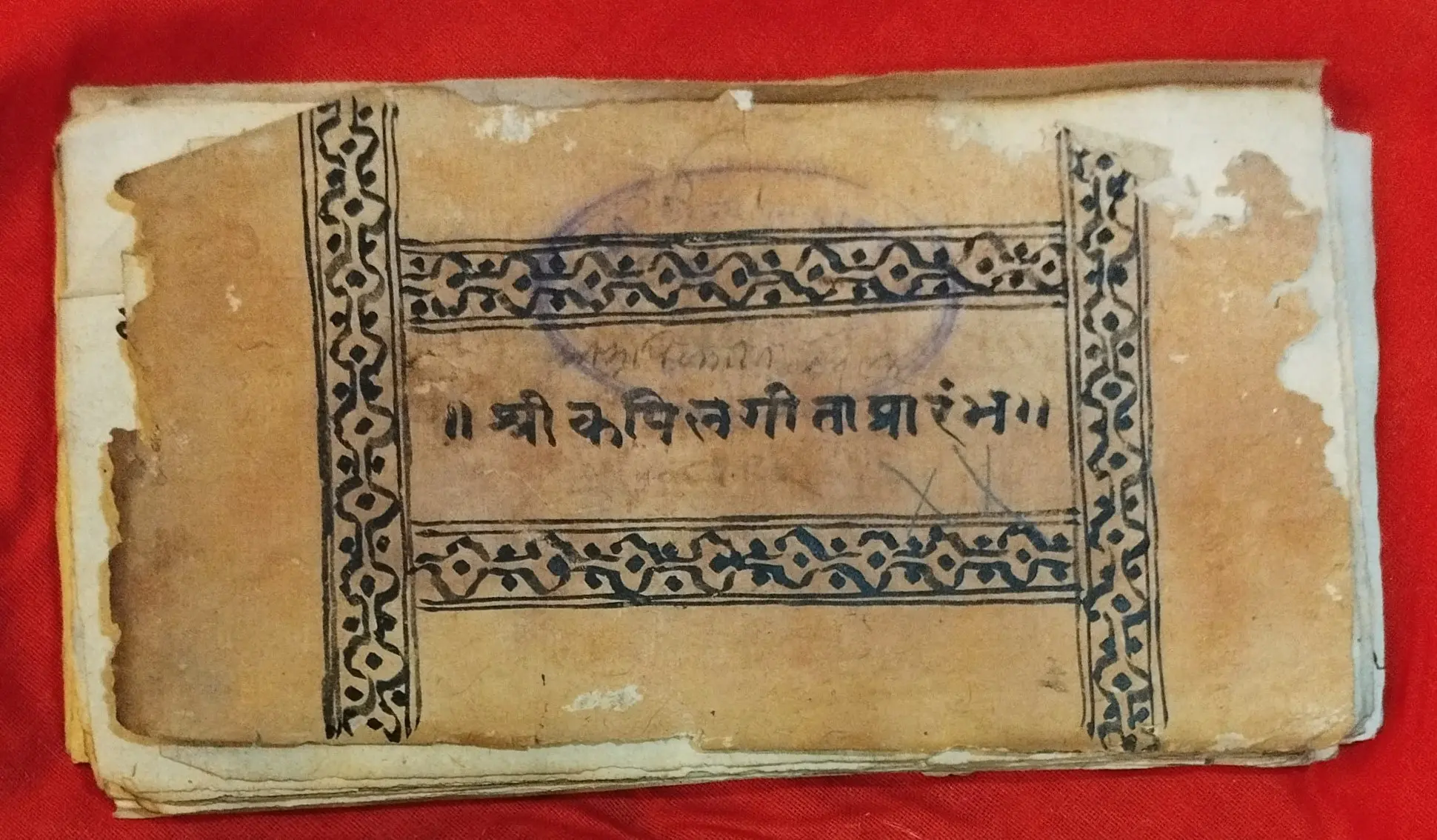
Making textual wealth universally accessible through multilingual translations, exhibitions, digital media, and open educational resources.

Scriptures Collection

Read across traditions.

Six gateways into the textual heritage of India. Each a doorway into centuries of inquiry into consciousness, ethics, cosmos, and language.

आ नो भद्राः क्रतवो यन्तु विश्वतः।

“Let noble thoughts come to us from every side.”

— Ṛgveda 1.89.1

An operational matrix.

Five classical approaches modernised through technology that carry a manuscript from field discovery to public understanding.

01

Saṅgraha

Collection, Survey & Mapping

Systematic field surveys, documentation, and metadata mapping of scattered and un-catalogued manuscript repositories across Eastern and Northeastern India.

02

Saṅrakṣaṇa

Conservation & Heritage Science

State-of-the-art laboratories dedicated to preventive conservation, biochemical stabilisation, and climate-resilient preservation of organic materials.

03

Tantrādhārita Saṅrakṣaṇa

Digital Infrastructure & AI

Customised AI tools for Optical Character Recognition of ancient scripts, automated cataloguing, machine-assisted translation, and semantic search.

04

Bhāṣā-Vyākhyā

Philology, Translation & Interpretation

Critical editions and multilingual translations of key texts translating raw archival data into actionable contemporary knowledge.

05

Anusandhāna-Pracāra

Research, Education & Public Engagement

Postgraduate courses, international fellowships, peer-reviewed publications, and outreach programmes bridging academia and society.

How the ecosystem is built.

We safeguard India’s literary and spiritual heritage through preservation, research, and digital access, ensuring ancient knowledge remains relevant for future generations.

Components

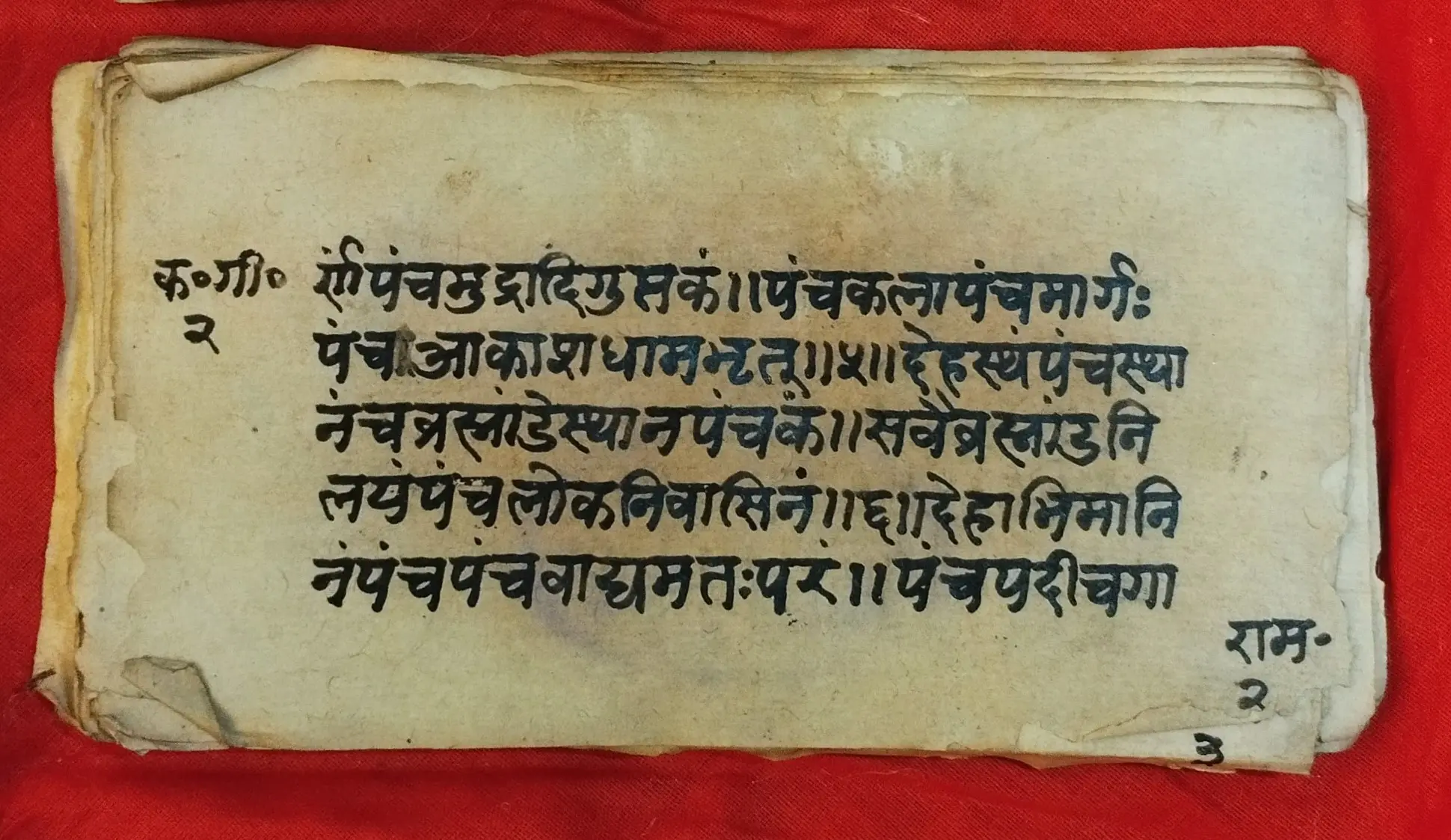
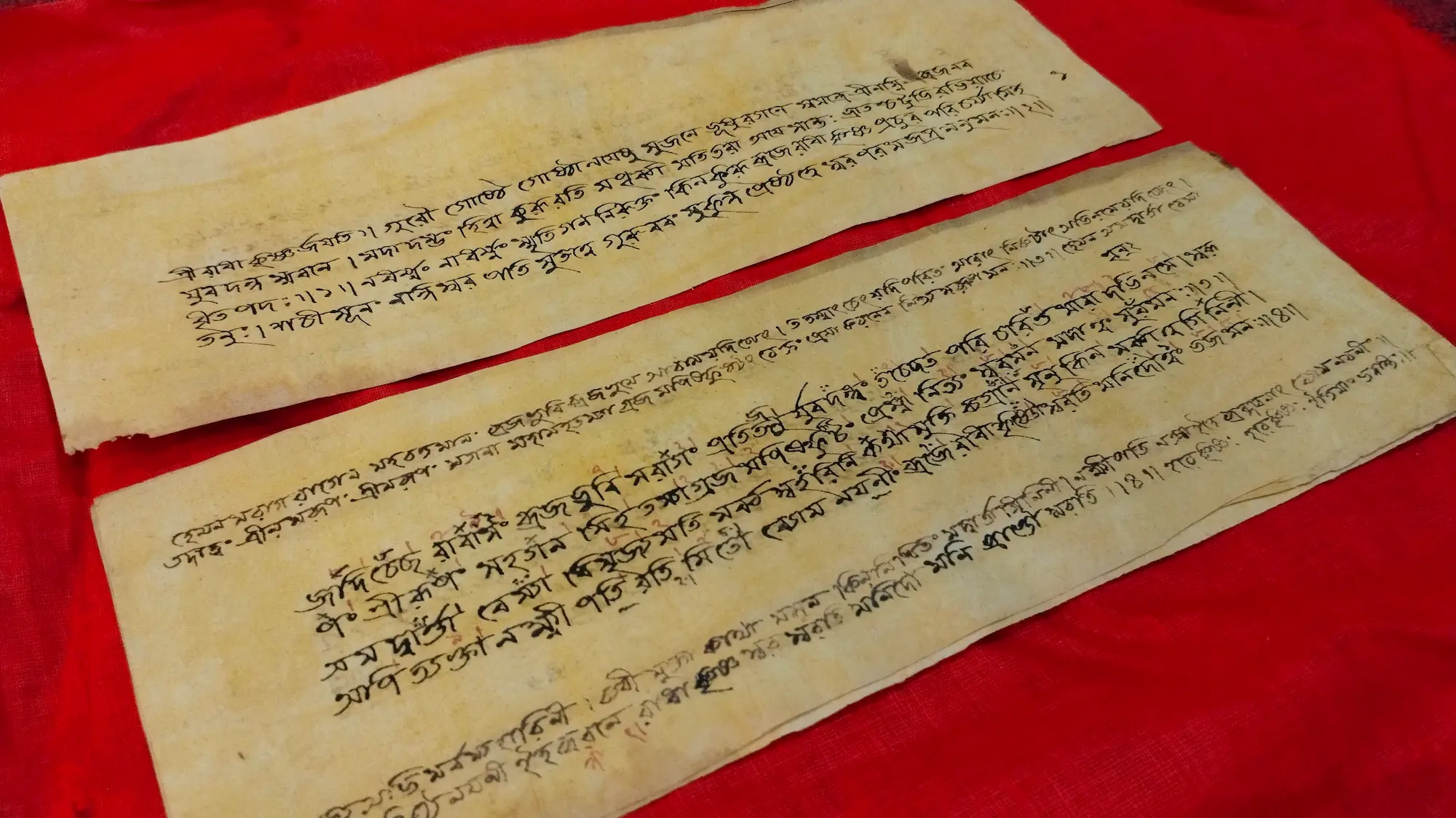
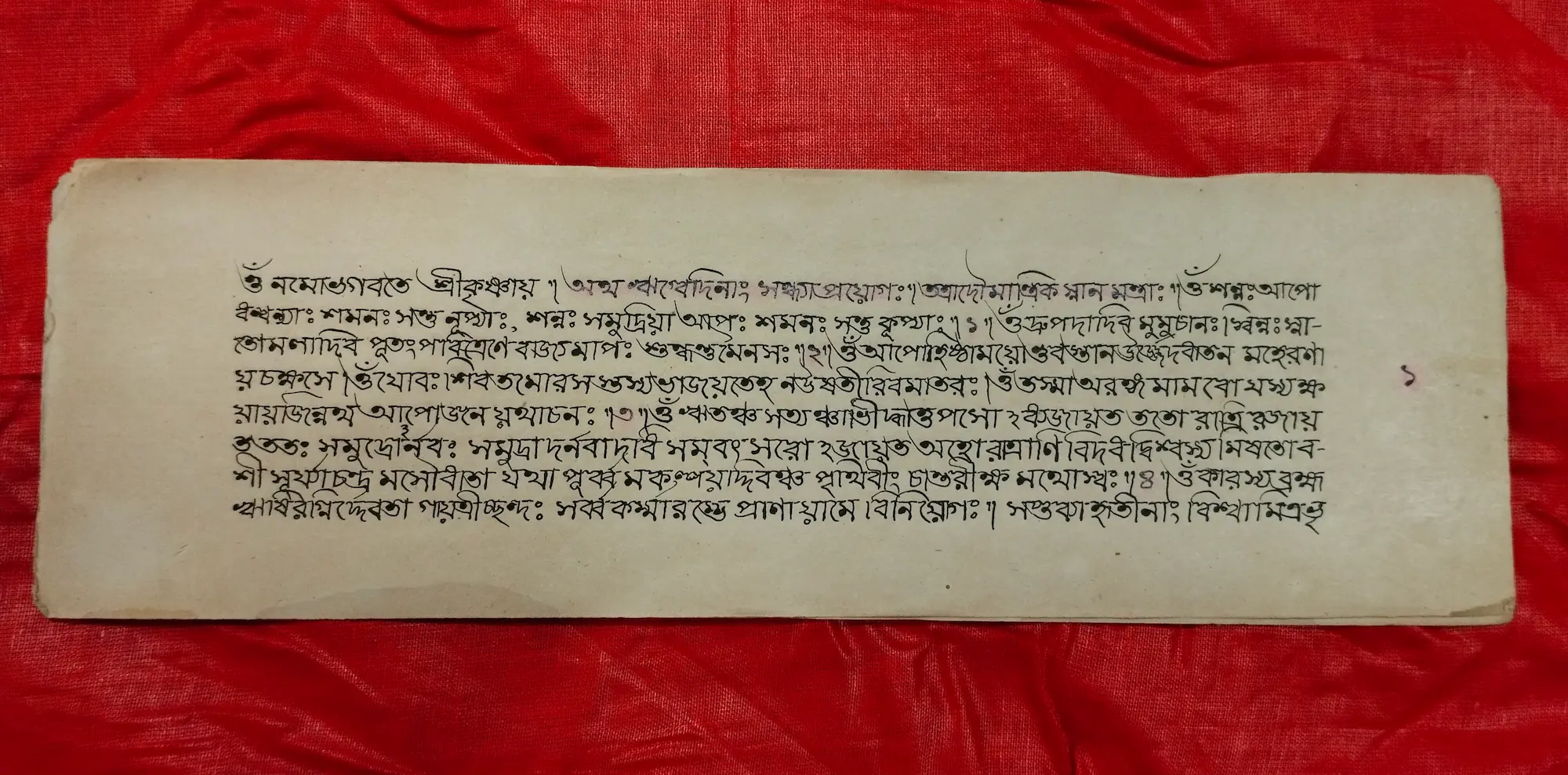
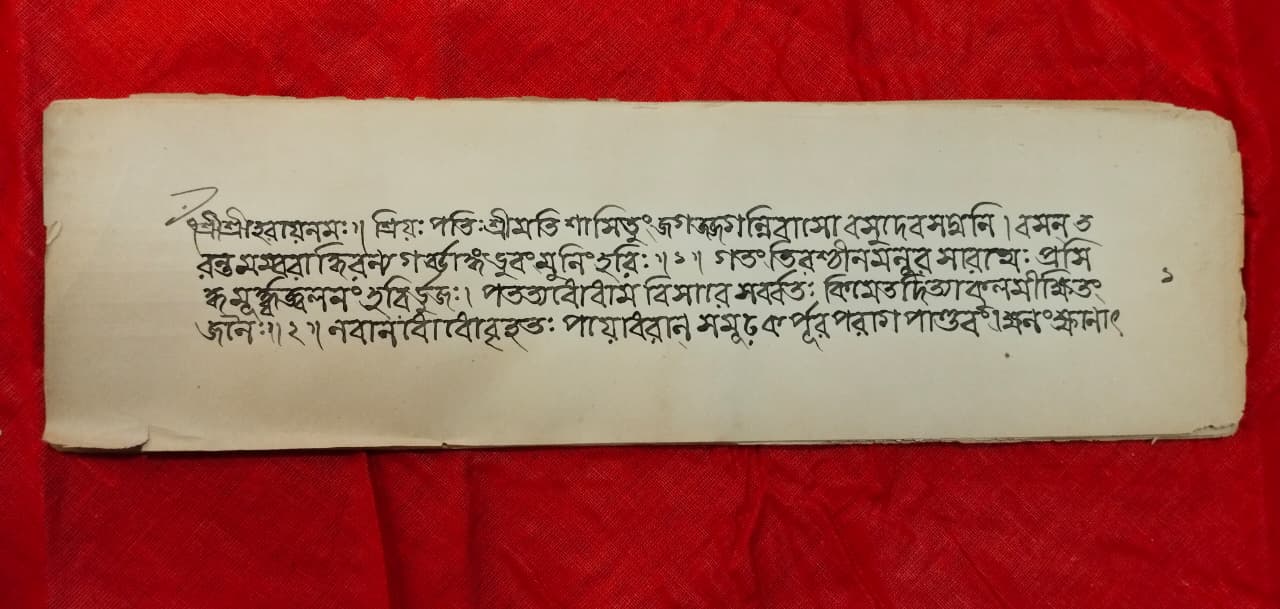
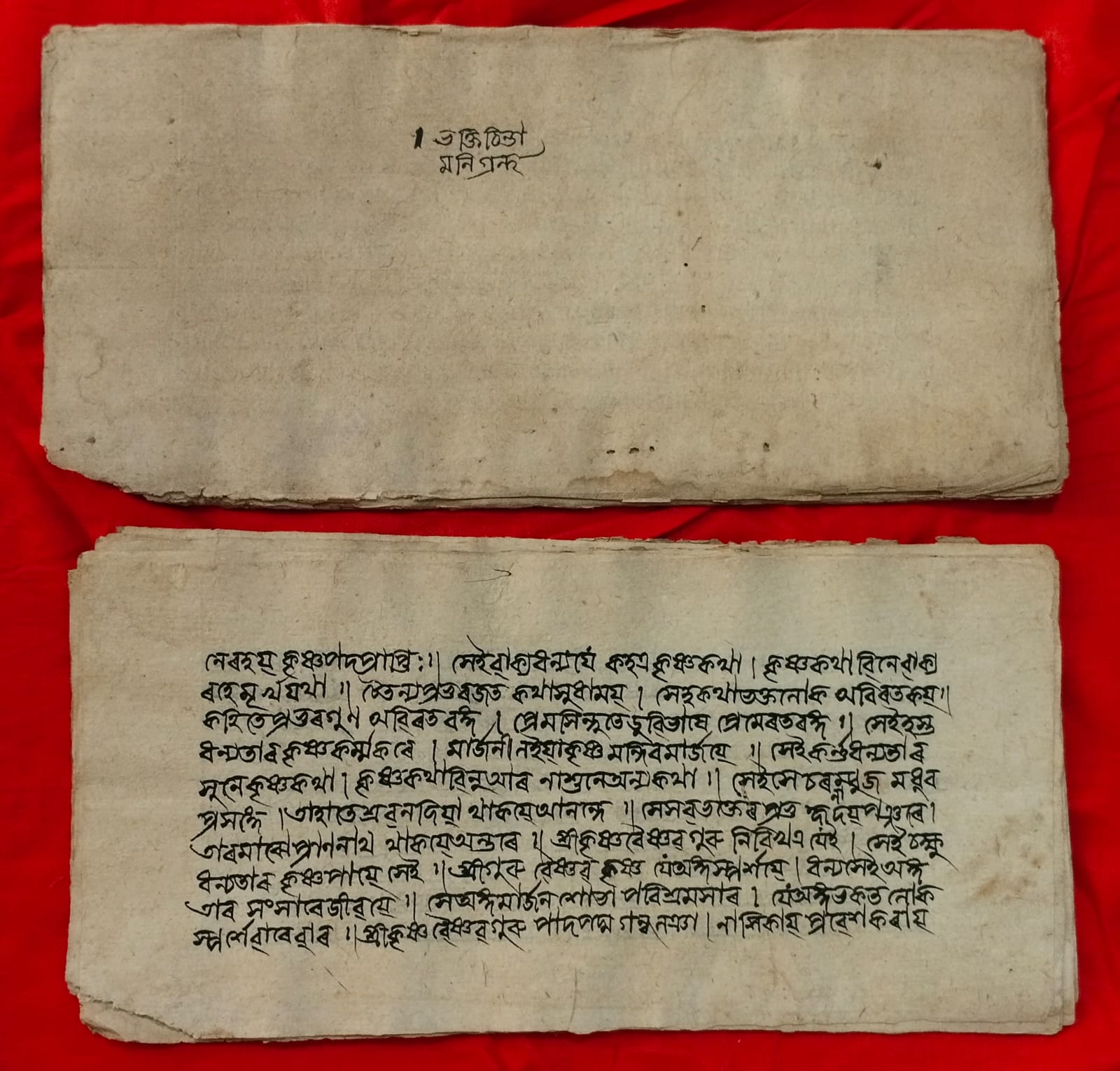
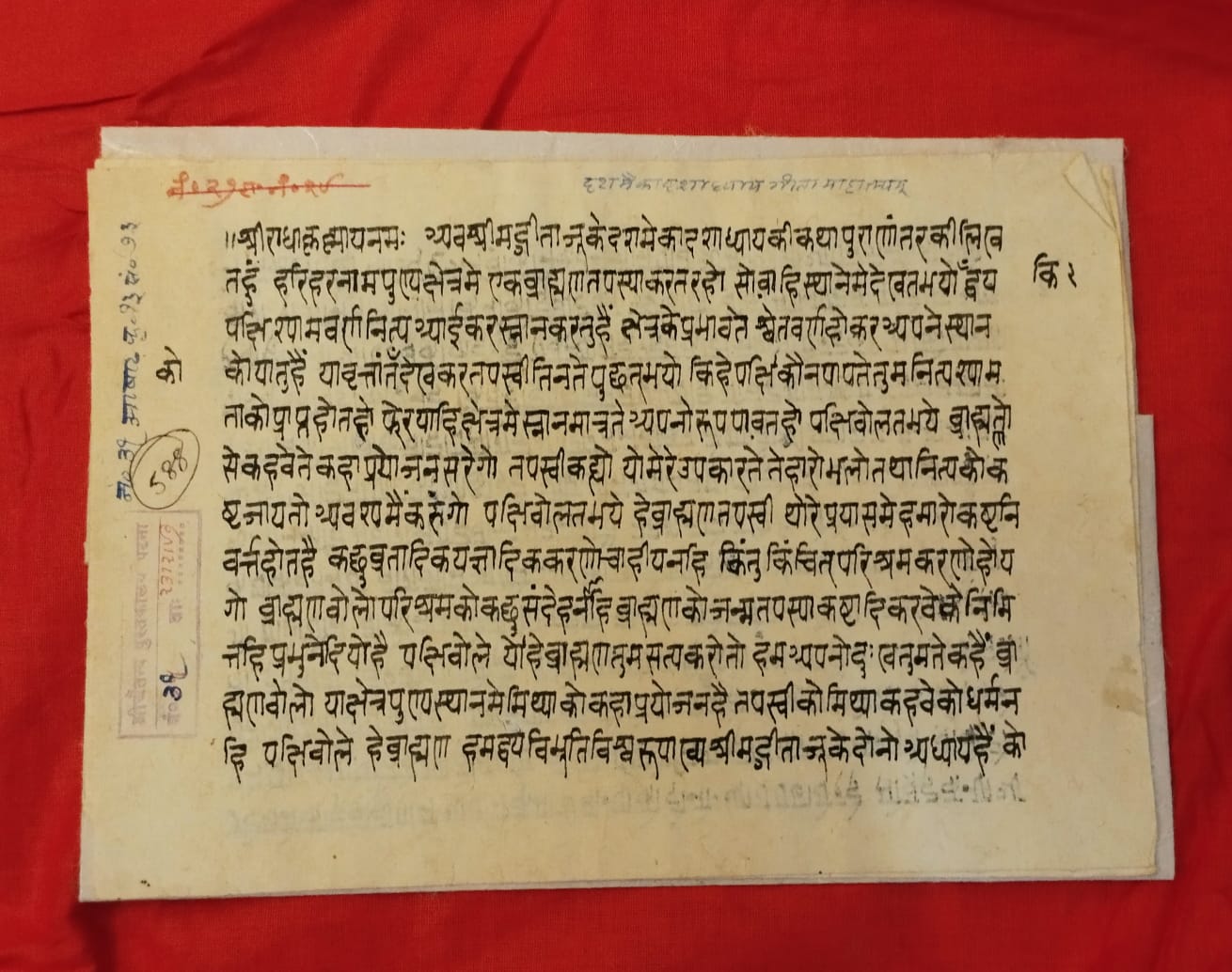
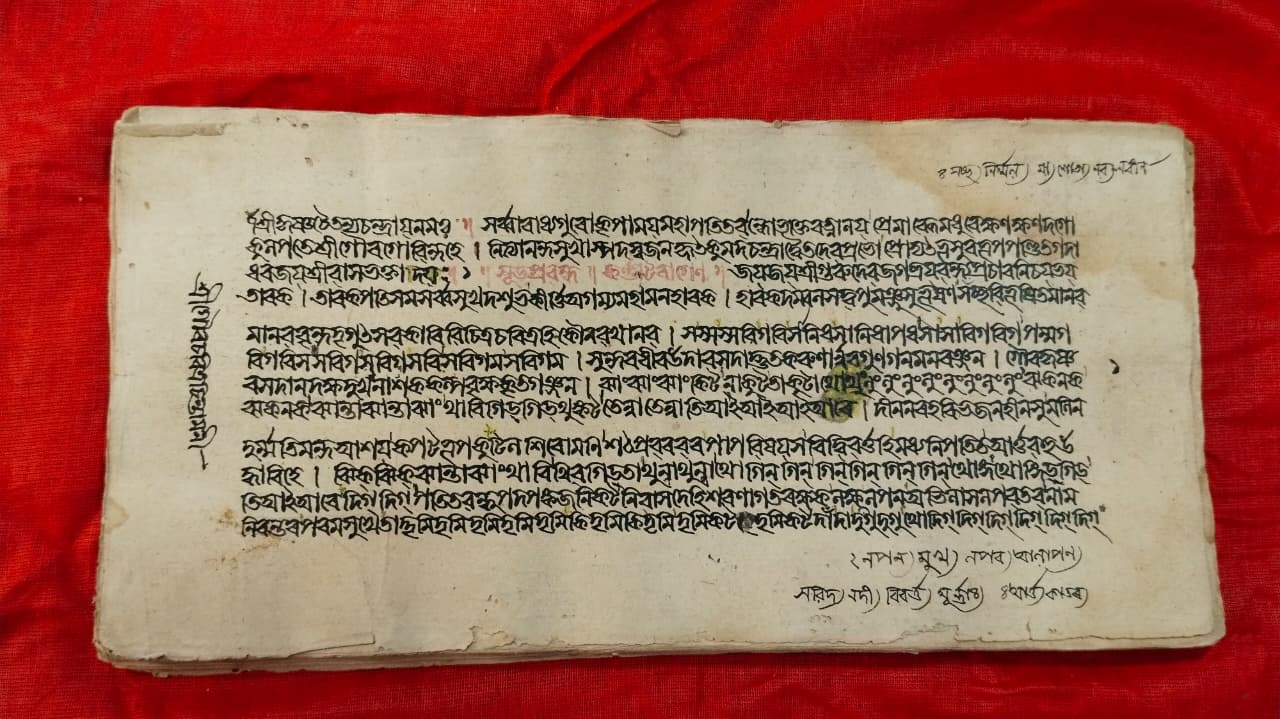
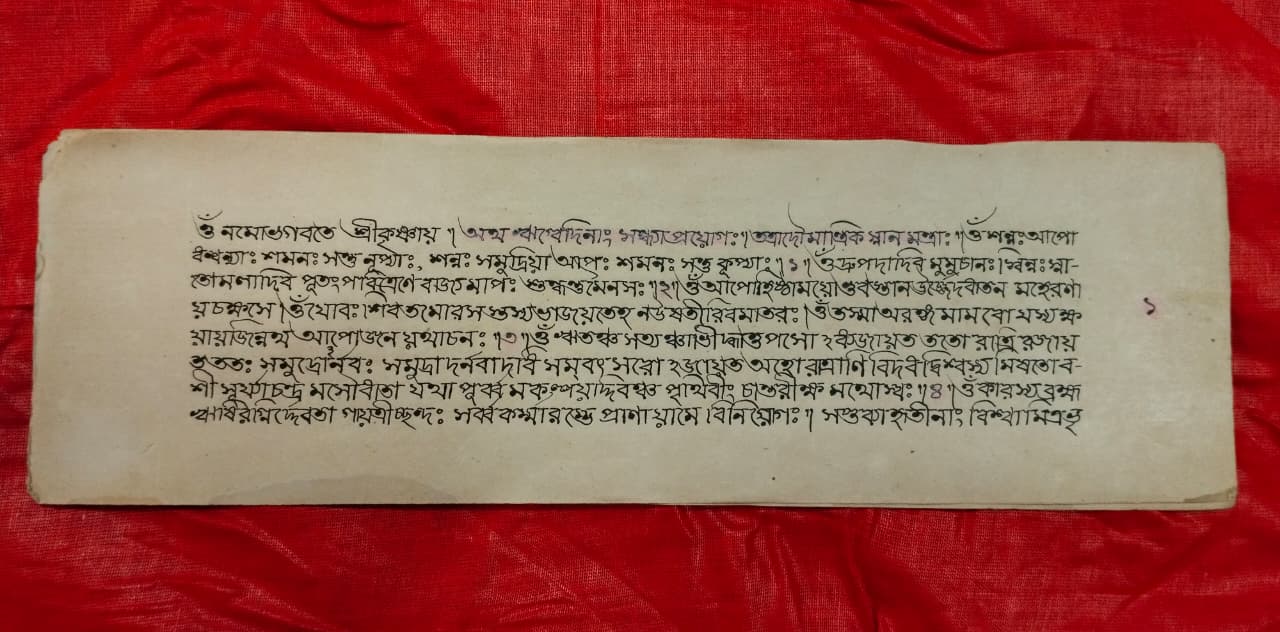
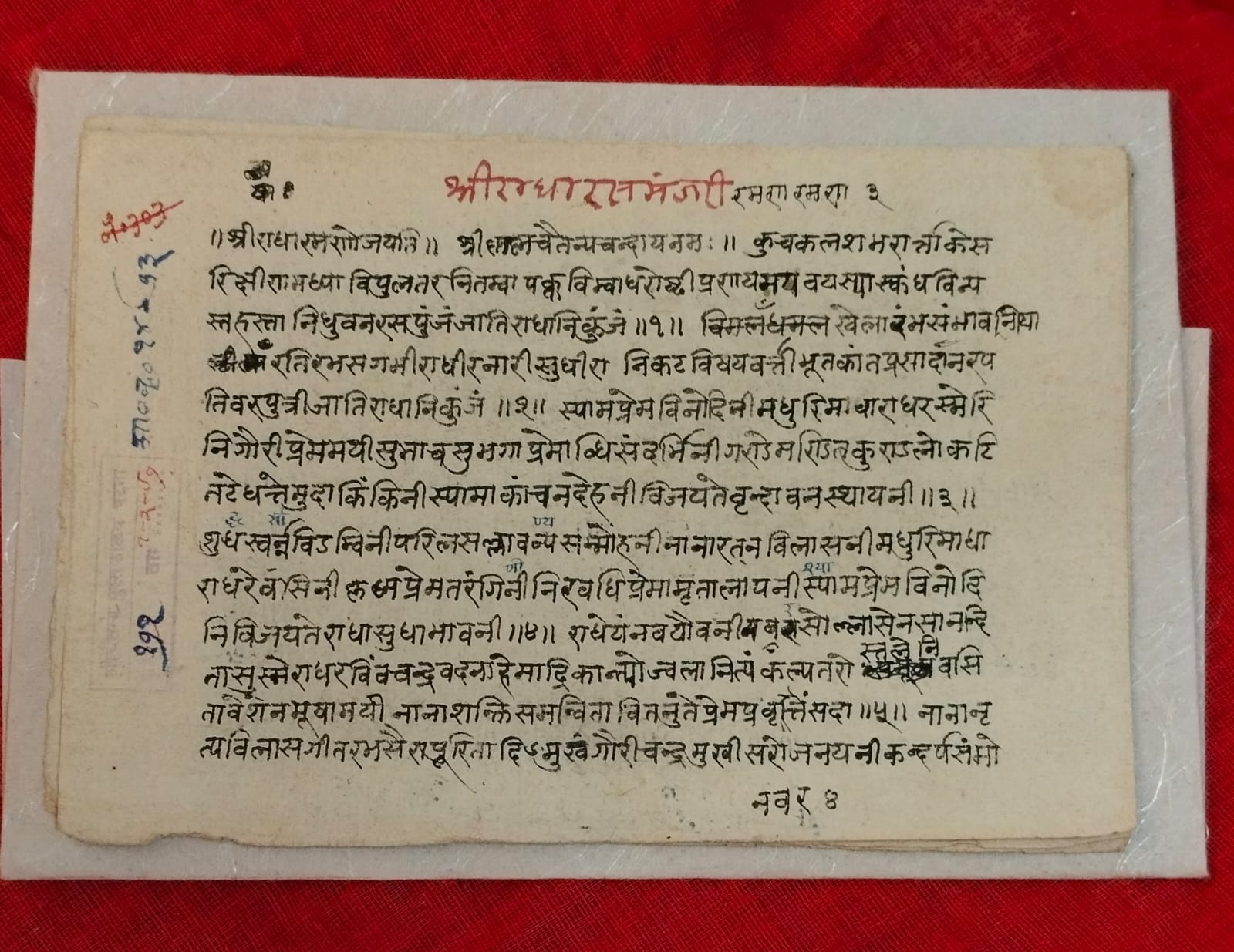
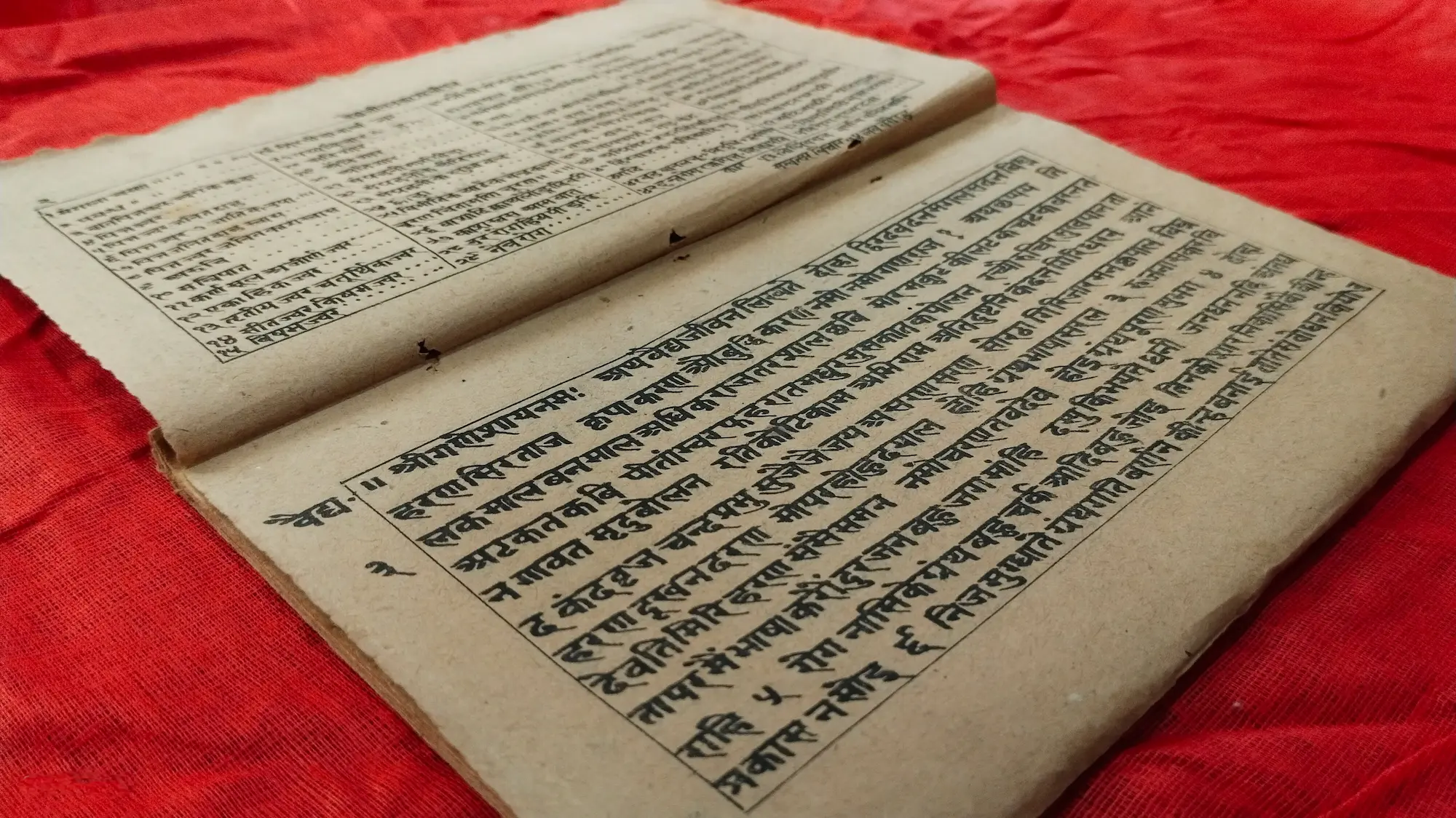
The primary resources are the manuscripts themselves पाण्डुलिपियाँ inscribed on palm leaf (तालपत्र), birch bark (भोजपत्र), handmade paper, cloth, and copper plates. Secondary components include paleographic charts, transcription software, and chemical preservation infrastructure.

Structure

An inverted pyramid: regional collection centres and private repositories feed centralised digital catalogues (National Mission for Manuscripts, IGNCA), which in turn support international research networks.

Function

To preserve and interpret primary historical documents identifying age through paleography, fixing fragmented passages through textual criticism, and translating obsolete semantic expressions into modern vernaculars.

Administrative Organisation

A specialised framework coordinating policy among central ministries (Culture), university departments of Sanskrit, Indology, and History, and institutional libraries — governing acquisition through intellectual property for digital variants.

Insights

Notes from the archive.
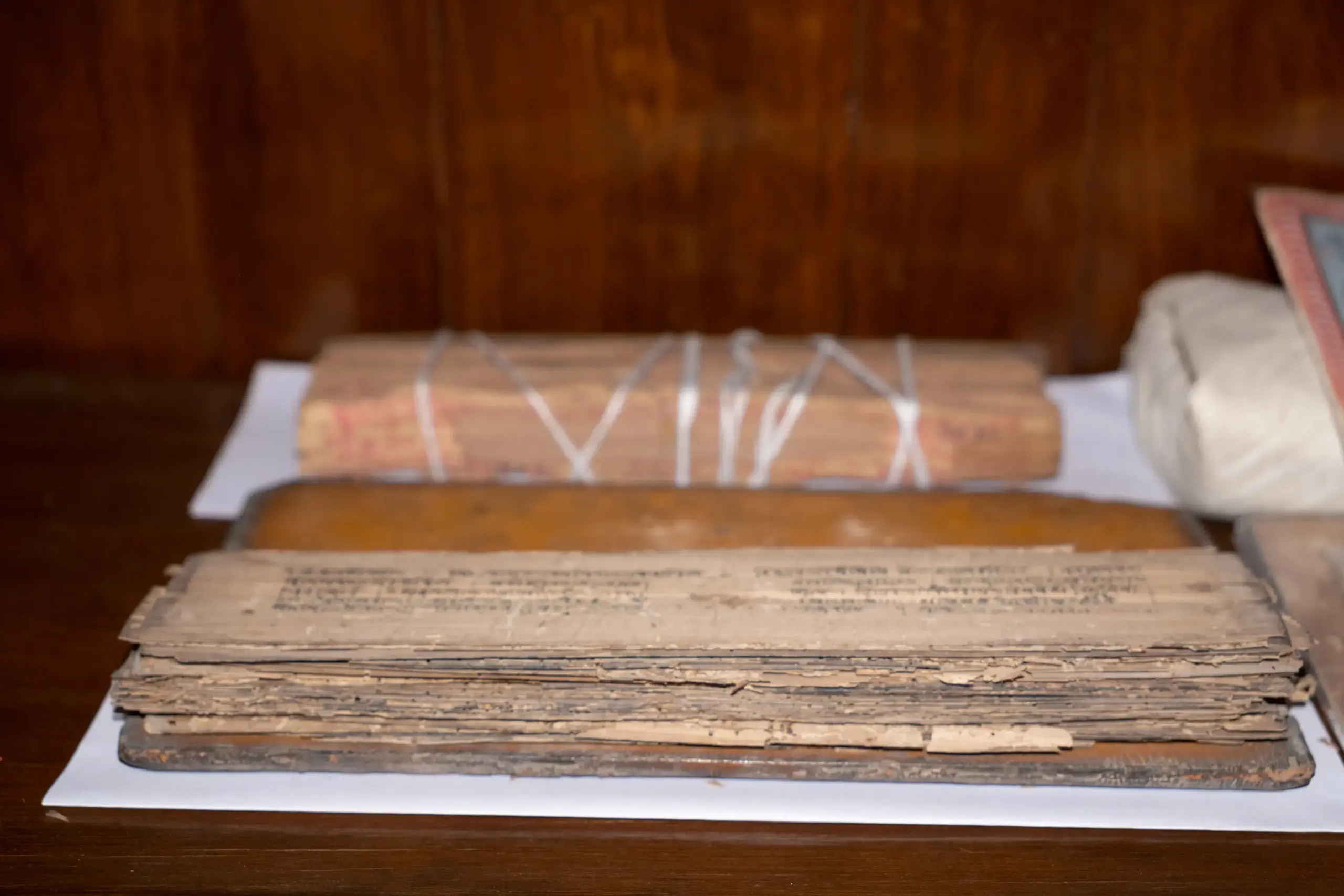
Conservation

Palm-leaf longevity
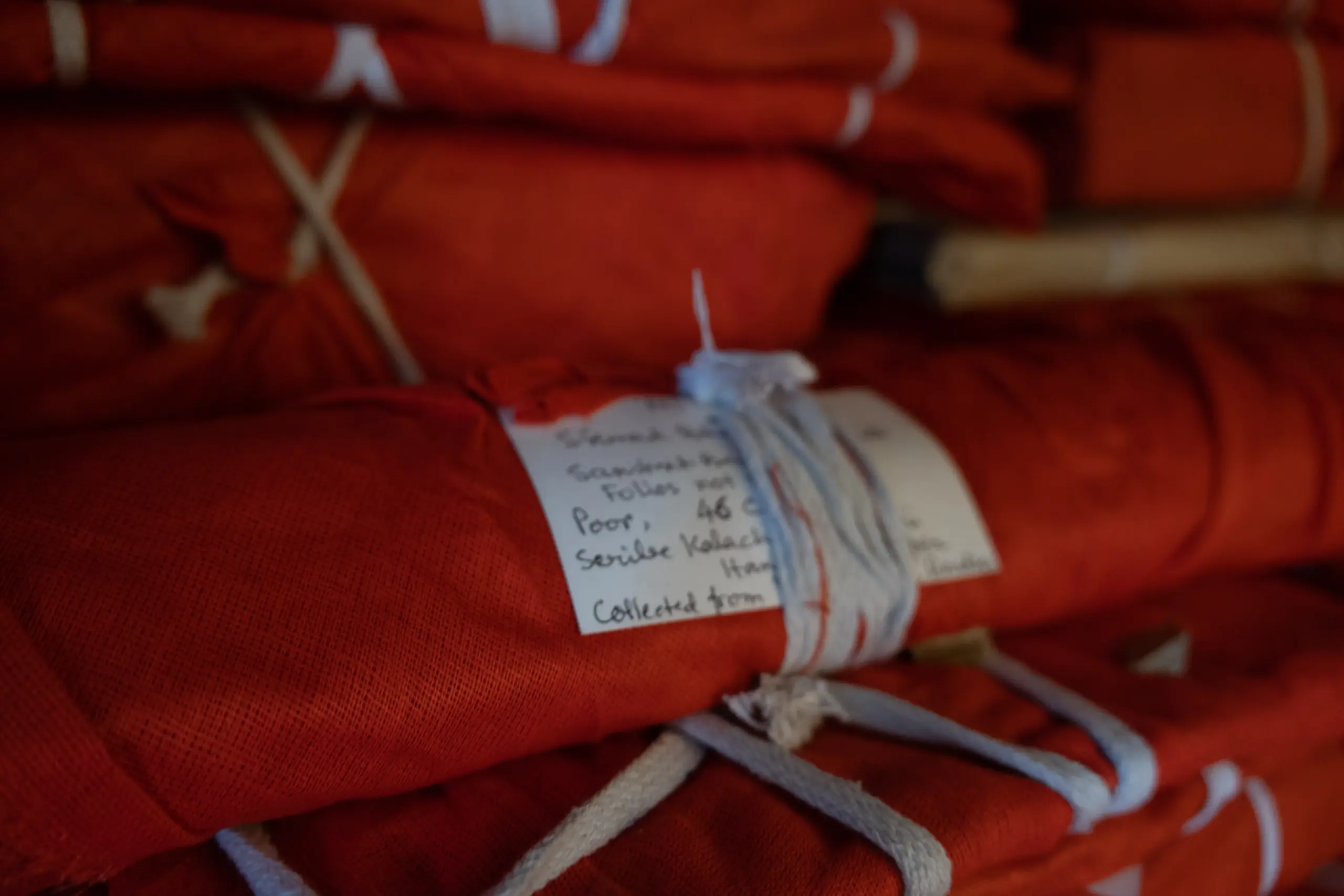
Traditional lemon-grass treatments still outperform many modern interventions.
Research

Ecology in the Arthaśāstra

An ancient manual of statecraft contains some of the earliest environmental regulations.
Digital

Reading Grantha with AI

Our OCR pipeline reaches 94% accuracy on 18th-century Tamil palm-leaf scans.

Five timeless ideals.

The philosophy that guides the Centre drawn from the deepest wellsprings of India’s intellectual heritage.

01

The Spirit of Critical Inquiry

पुराणमित्येव न साधु सर्वं न चापि काव्यं नवमित्यवद्यम्। सन्तः परीक्ष्यान्यतरद्भजन्ते मूढः परप्रत्ययनेयबुद्धिः॥
“Not everything ancient is necessarily excellent, nor is everything new to be rejected. The wise examine both, and choose what is worthy.”

02

Global Academic Exchange

आ नो भद्राः क्रतवो यन्तु विश्वतः।
“Let noble thoughts come to us from every side.”

03

The Social Purpose of Education

विद्या ददाति विनयं विनयाद्याति पात्रताम्।
पात्रत्वाद्धनमाप्नोति धनाद्धर्मं ततः सुखम्॥

“Knowledge gives humility; humility yields worthiness; worthiness leads to sustainable prosperity; prosperity enables righteous action, which ultimately brings well-being.”

04

The Elevating Power of Truth

न हि ज्ञानेन सदृशं पवित्रमिह विद्यते।
“There is nothing in this world as purifying and elevating as knowledge.”

05

Encyclopaedic Scope

यदिहास्ति तदन्यत्र यन्नेहास्ति न तत्क्वचित्।
“What is found here may be found elsewhere; what is not found here is nowhere else.”

From artefact to intellectual capital.

Traditional Ethos

Isolated artefacts, static heritage.

Universities once treated manuscript preservation as a localised, protective archival duty the object safeguarded, but the knowledge within it inert.
Modern Utility

Raw, accessible data economic and scientific innovation capital.

Modern scholarship treats manuscripts as active data sources ethnobotany, traditional metallurgy, Ayurveda, historical astronomy unique material capable of guiding contemporary scientific research.

Curated for both public access and preservation.

Manuscripts are highly sensitive to light, moisture, and temperature. Exhibitions use low-UV LED arrays, micro-climate showcases, and specialised mounting to prevent degradation.

Physical displays reveal material texture; adjacent digital terminals let visitors browse high-definition scans pairing the visual weight of the original with the accessibility of an indexed, readable text.

Building professional academic pathways.

Train-the-trainer initiatives teach faculty paleography — reading Brahmi, Kharosthi, Grantha, Newari — and codicology, integrating manuscript studies into graduate humanities courses.
Research bridges humanities and computer science: OCR for hand-written historical scripts, automated textual collation, and non-destructive ink dating.

From unstudied manuscript to public awareness.

Step into the world of knowledge, tracing ideas across generations of manuscripts.
Acquisition

Discovering lost collections in remote monasteries, temples, and private family libraries — followed by field cataloguing and voluntary digitisation agreements.
Preservation
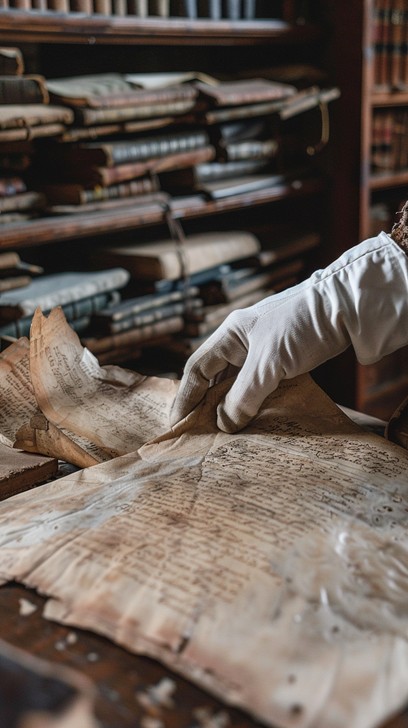
Traditional treatments (lemon-grass oil for palm leaves) alongside modern chemical de-acidification. Digital preservation relies on secure, redundant cloud repositories.

Dissemination

Moving from restrictive archive access to open, machine-readable transcriptions allowing researchers worldwide to study these texts without risking the originals.
The Digital Longevity Paradox
A well-kept palm-leaf manuscript can survive for centuries in a dark room; a digital file may become unreadable in a few decades. Our migration strategies TIFF, open archival formats, TEI XML, Dublin Core metadata ensure future search engines and AI tools can catalogue and retrieve this shared cultural history.

A four-year arc toward global leadership.

By the centenary of India’s Independence in 2047, the Centre maps its growth onto these institutional milestones.

2026

Institutional Foundation & Digitisation
Complete the high-resolution digital preservation and metadata indexing of the baseline 42,000 manuscripts within the University of Calcutta collection.

2027

UNESCO Formalisation
Formally transition into a UNESCO Category-II Centre for Manuscript Heritage and Traditional Knowledge Systems the primary hub for South and Southeast Asia.

2028

AI & Linguistic Automation
Deploy fully trained, proprietary Large Language Models specialised in manuscript transcription, text restoration, and cross-lingual translation of ancient scripts.

2029

Civilisational Leadership
Establish the world’s premier open-access Digital Knowledge Commons for Indic systems an irreplaceable node in global heritage network frameworks.

वसुधैव कुटुम्बकम्

"The world is one family."

Guided by this humanistic vision, the Gyāna Bhāratam Centre stands as a bridge across time safeguarding the achievements of the past, empowering modern research, and illuminating the future of global human knowledge.
Scroll to Top